


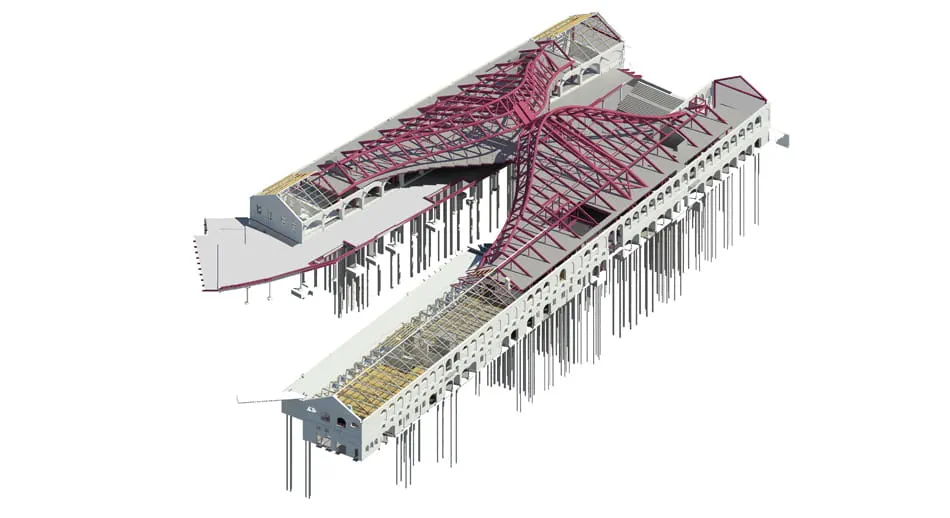

Building Information Modeling (BIM) enhances project planning, design, coordination, and construction through the use of intelligent digital models. At Nolan Infrastructure & Design, we utilize BIM technologies to improve collaboration, reduce project risks, identify potential conflicts early, and support informed decision-making throughout the project lifecycle.
Our BIM services help clients achieve greater efficiency, improved coordination among project stakeholders, and more predictable project outcomes from concept through construction and asset management.
BIM Modeling & Design Coordination
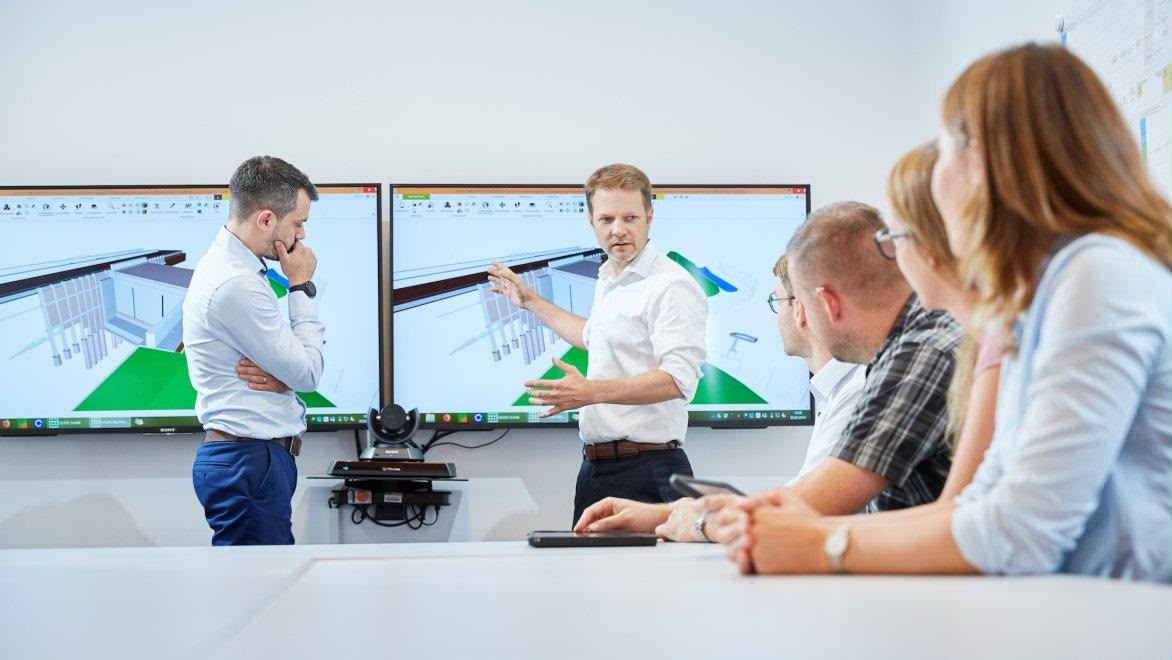
We develop detailed digital models that integrate architectural, structural, and engineering components into a coordinated project environment. These models improve communication among project teams and help identify potential design conflicts before construction begins.
Through effective coordination, BIM reduces costly changes, minimizes rework, and improves overall project efficiency.
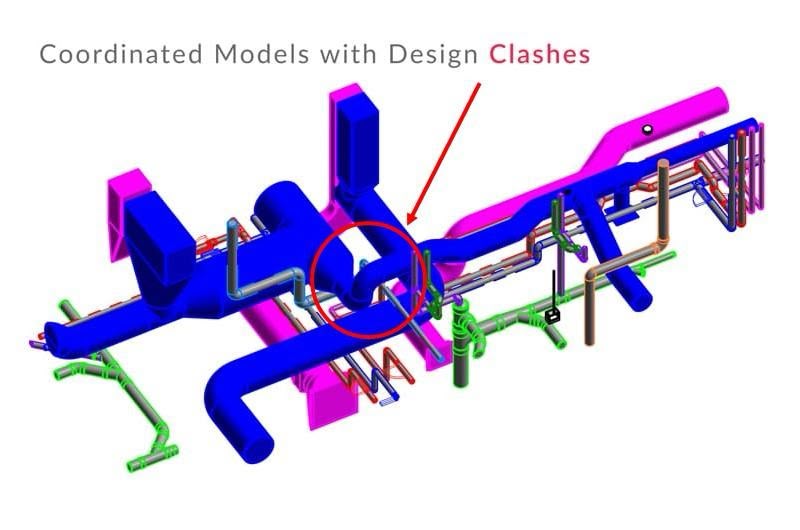
Clash Detection & Constructability Review
BIM technology allows project teams to identify conflicts between building systems before construction activities commence. We perform clash detection analyses and constructability reviews to uncover coordination issues involving structural, architectural, mechanical, electrical, and utility systems.
Early identification of potential problems helps reduce delays, control costs, and improve construction quality.
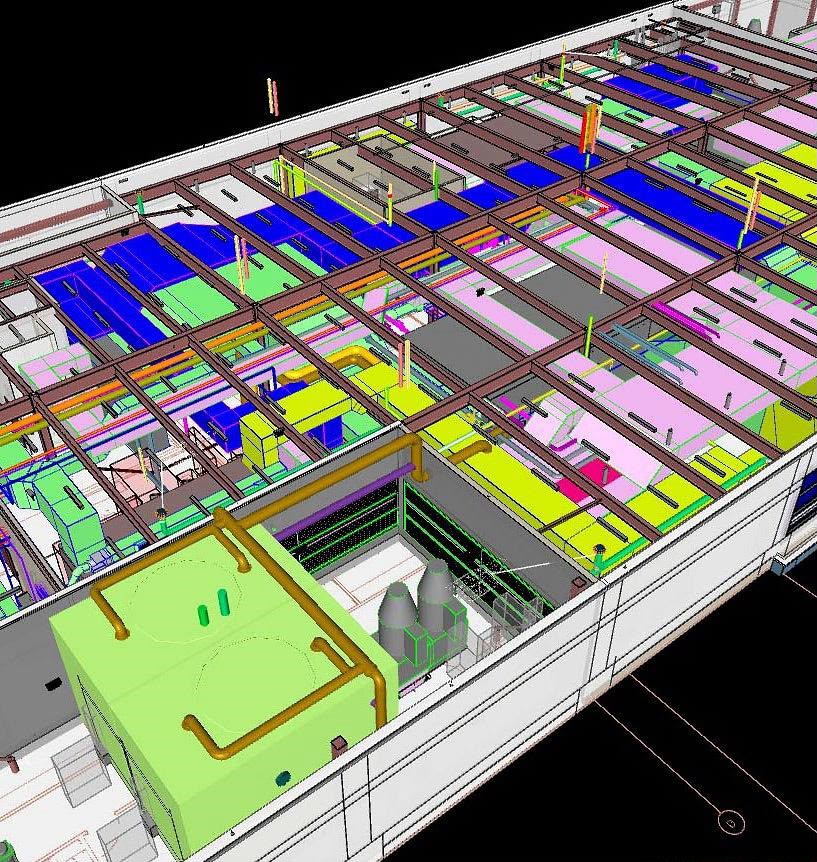
3D Visualization & Project Communication
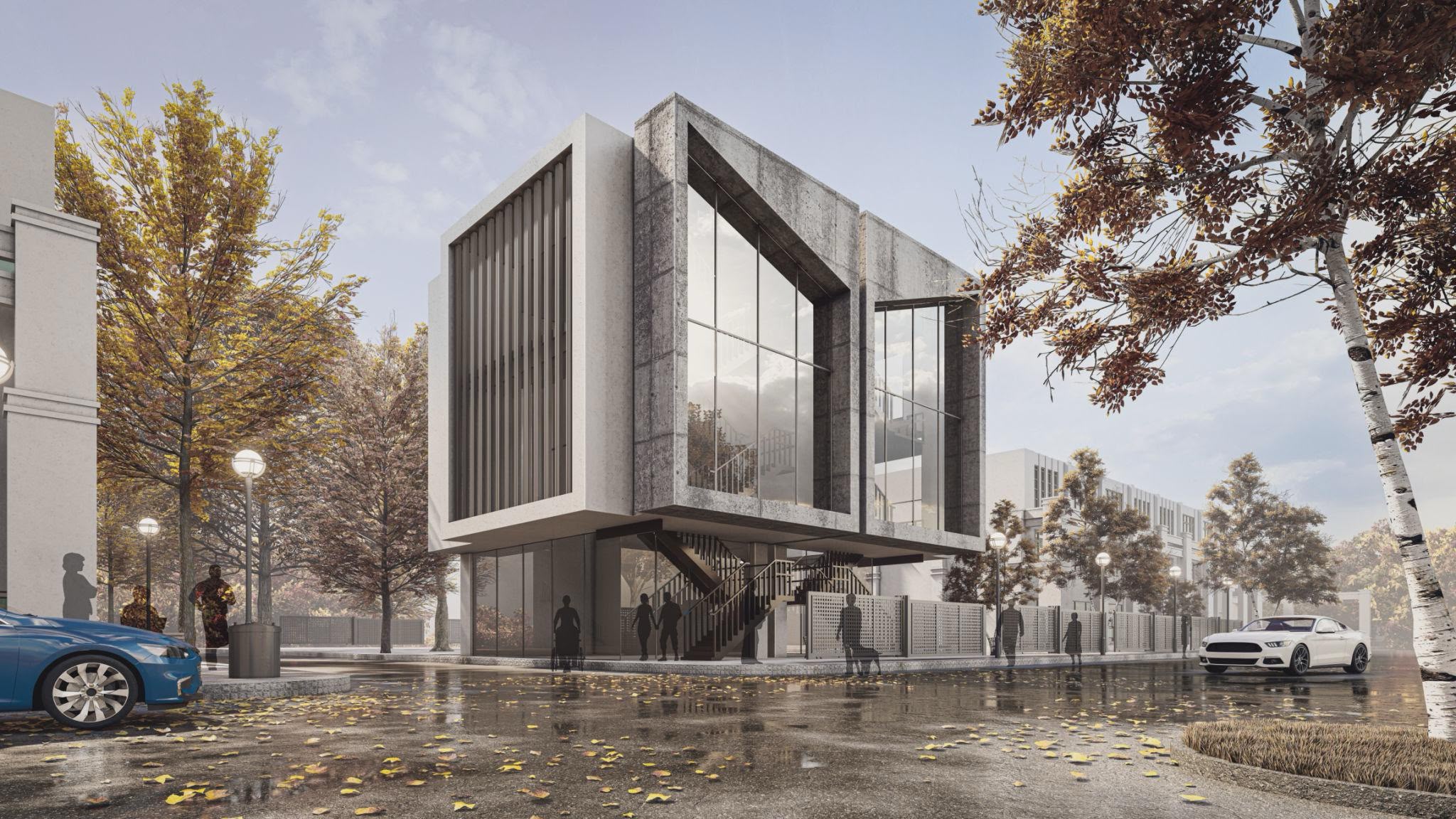
We create visual representations of projects that help clients, stakeholders, and project teams better understand design intent and project outcomes. These visualizations support presentations, design reviews, stakeholder engagement, and informed decision-making throughout project development.
Construction Planning & Project Delivery
BIM supports efficient construction planning by providing accurate project information, sequencing insights, and enhanced coordination among project participants. Digital models help streamline communication and improve project execution from design through completion.
Asset Information & Lifecycle Management
Beyond construction, BIM models can serve as valuable resources for facility management, maintenance planning, and asset tracking. Accurate digital information supports long-term infrastructure performance and informed operational decision-making.
Collaboration
BIM’s ability to coordinate multiple types of information is driving up expectations in the industry, particularly around the consistency of complex information and the strength of collaboration it supports. Our BIM models are collaborative to the core, allowing designers and engineers to collaborate and achieve the work-from-anywhere approach that is vital on major international projects.
On our most ambitious projects, Arup specialists are often based in many different location, but thanks to BIM, that’s no bar to successful collaboration. Our work on Marina Bay Sands involved a complex, multidisciplinary team, working in different countries. We developed a BIM model at the centre of the project, one that could bring together a team and facilitate cloud-based collaboration.

Design and production automation
For buildings with highly functional designs, like data centers, we’ve used information from the BIM model to drive the building's design exploration. Thousands of design options can be generated parametrically, explored, and shortlisted. This offers clients a wider range of valuable insights and design options, all of which respond to their operational priorities.
We have developed our own automation tools to reduce repetitive and mistake-prone tasks, automating checks and improving the quality of our production models and documentation.
Standardized data management
During the life of a project, huge amounts of data are created, much of which was traditionally overlooked or wasted. Off-the-shelf BIM tools often require data management to be effective, reliable, and consistent. Arup’s BIM models use international data classification standards and are thus able to interface with a variety of non-BIM tools.
Digital asset management
Well-planned BIM means asset owners and operators inherit a valuable model, helping them to run an efficient and well-maintained building long after completion and turnover. This approach also works on existing buildings, like 1 Finsbury Avenue in London, with BIM used to integrate older building and occupant systems via common and up-to-date standards. As regulations demand increasing efficiency from buildings, this approach brings digital twin and integrated campus operations to almost any real estate client.
Find out more about our digital asset management expertise
Infrastructure uses
BIM plays a strategically valuable role in infrastructure projects, where program length and team complexity are major issues. We develop BIM models that capture a project's high-level goals down to the design specifics, which may have to adapt as the design develops and iterates.
BIM is central to the digital strategy underpinning successful infrastructure development, strengthening a project’s overall efficiency, transparent communication and reporting, and ensuring control and management do not degrade over time.